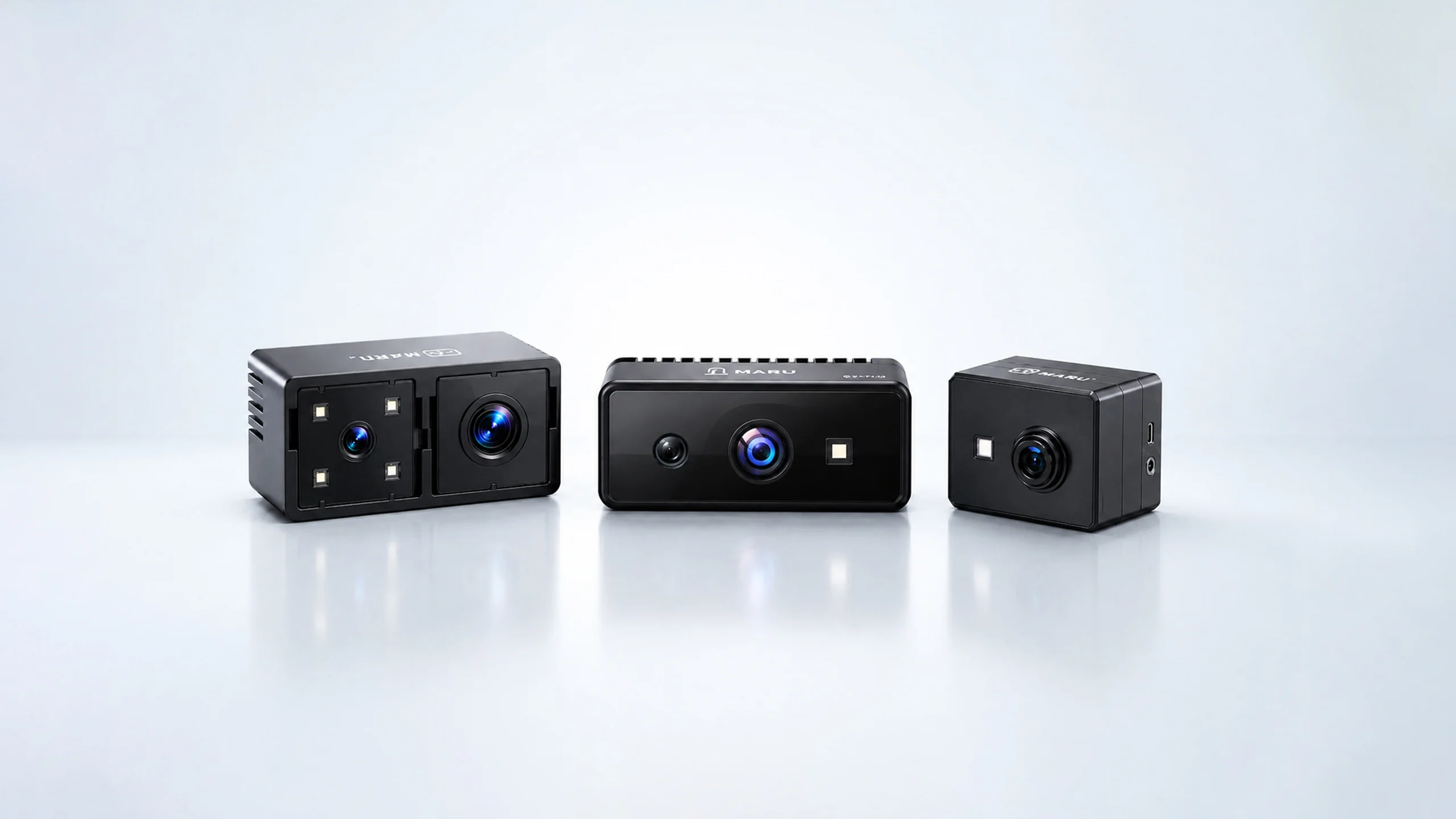

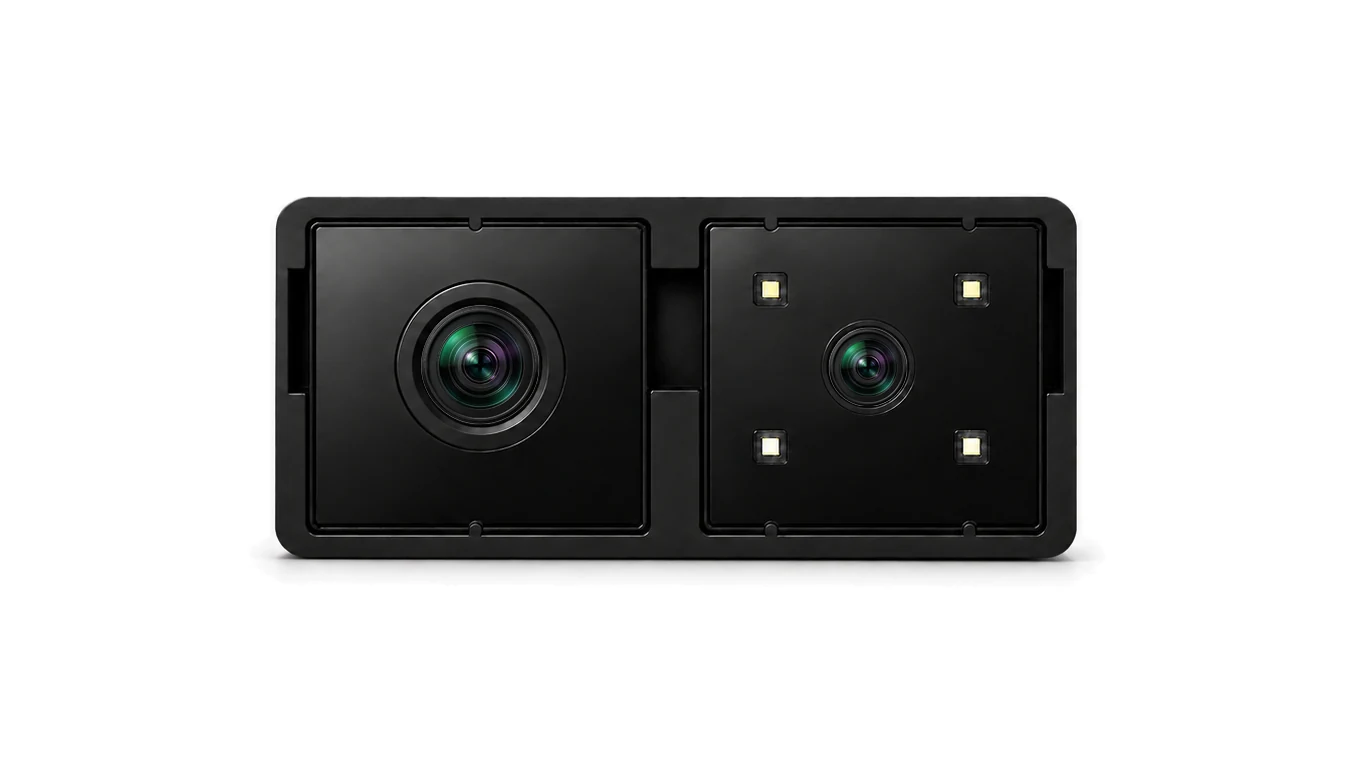
Assembled · horizontal
MARU Link
Four sensor modules — vision wide, vision narrow, ToF 4-VCSEL, ToF 1-VCSEL — dock into three edge bodies over Ethernet, USB-C, or SerDes. Same connector on every module, so a change of configuration is a swap.
Who we are
We bridge the perception gap for robotics and automation: 3D Edge AI perception modules already in production — 4,000+ units shipped.
Problem
Foundation models keep getting more capable and cheaper — every year.
Seeing and understanding the real world precisely. Everything else depends on it.
Actuators and chassis are commoditizing fast as volumes scale.
“Fine components cannot make a fine result.”
Any one of these is tractable on its own. Holding all four at the same time, outside the lab and across a full shift, is the part that has stayed unsolved.
A distance is only useful if the machine can act on it. Error that reads as negligible on a datasheet becomes a missed grip or a late stop at the point of contact.
A module calibrated on the bench warms up in service, and its optics and sensor move with the heat. Calibration that was true at power-on stops being true, and the data gives no warning.
Depth and color are assumed to describe the same point in space. Mounted and timed separately, they do not — and every measurement taken downstream inherits the offset.
An answer that arrives after the control loop has moved on is not an answer. Perception has to finish inside the machine’s cycle, on the machine, every cycle.
“$3–5 of integration for every $1 of hardware.”
That integration cost is structural. The pieces a working perception system needs are each developed at a different company, and nobody owns the seams between them.
Sensor and optics, across a range of different image sensors.
For module bring-up and setup.
For the AI vision solution.
Various, and AI-based.
“Who handles the integration?”
Solution
We do. The two halves of the platform ship together, and there are two ways to put them to work.
Depth and fused imaging at the source. Metric depth for every pixel, from a sensor priced for volume.
Detection and pose computed on-device. Server-grade spatial AI, running on the robot.
Same blocks, recombined per customer. Application-specific configuration, without rebuild.
“It arrives calibrated, it holds steady outdoors, it updates itself in the field, and it drops onto whatever compute they already chose.”
Which one fits is settled by profiling your environment, not by picking from a page.
Your environment maps onto blocks that already exist. We fix the module mix and tune it against your profile before hardware ships. What you buy is a configured product.
How this worksYour environment falls outside what a configuration can reach. We design with you on the same stack, so the result stays reusable instead of becoming a one-off.
How this worksProduct lineup
MARU Gen 2 assembles horizontally, stacks vertically, or arrives integrated. The perception blocks are the same in all three.
Assembled · horizontal
Four sensor modules — vision wide, vision narrow, ToF 4-VCSEL, ToF 1-VCSEL — dock into three edge bodies over Ethernet, USB-C, or SerDes. Same connector on every module, so a change of configuration is a swap.
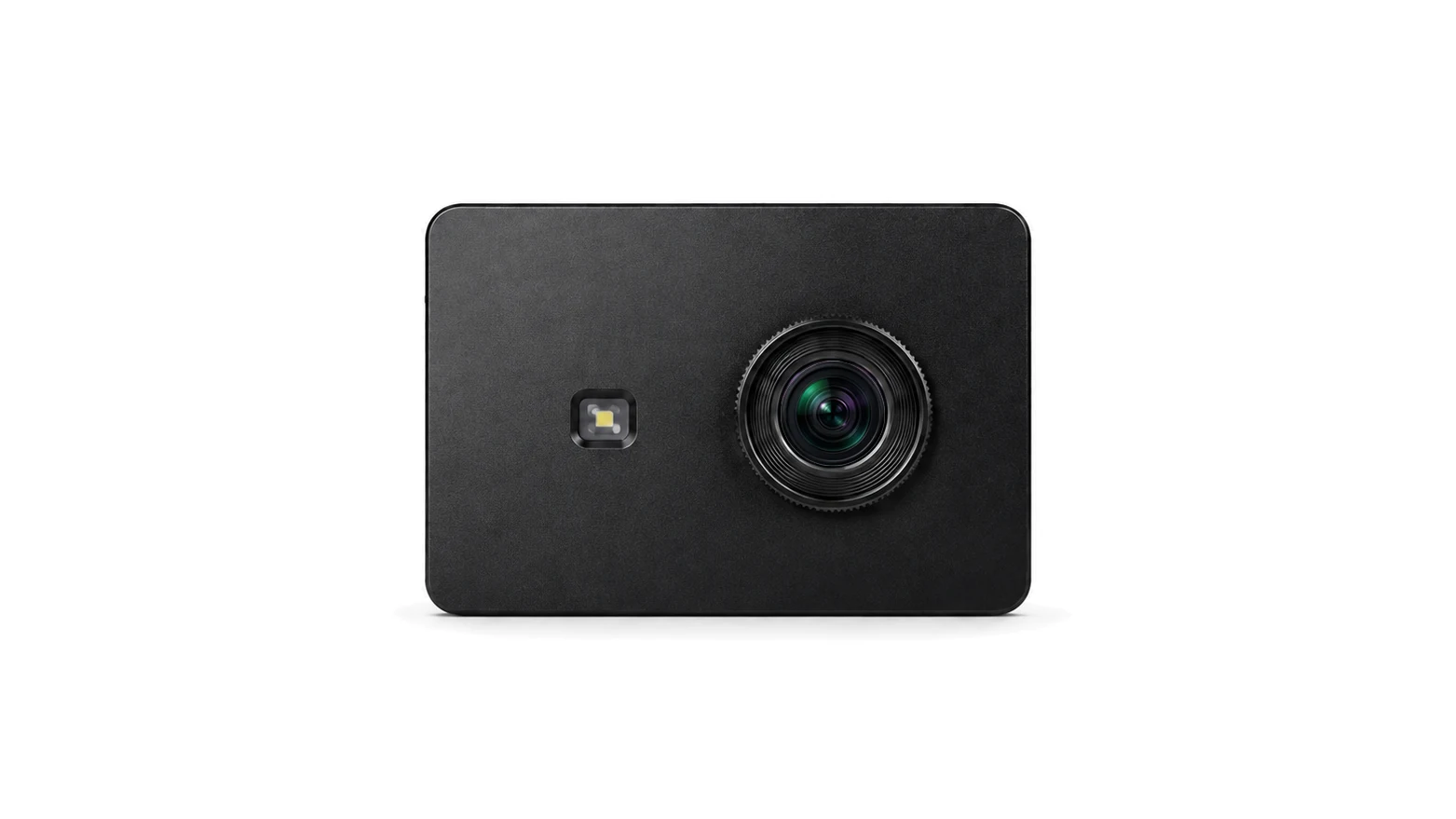
Assembled · vertical
Sensor, edge, and interface stages stacked on one vertical axis — the smallest installed area of the three builds, for cells and cabinets where bracket space is the constraint.
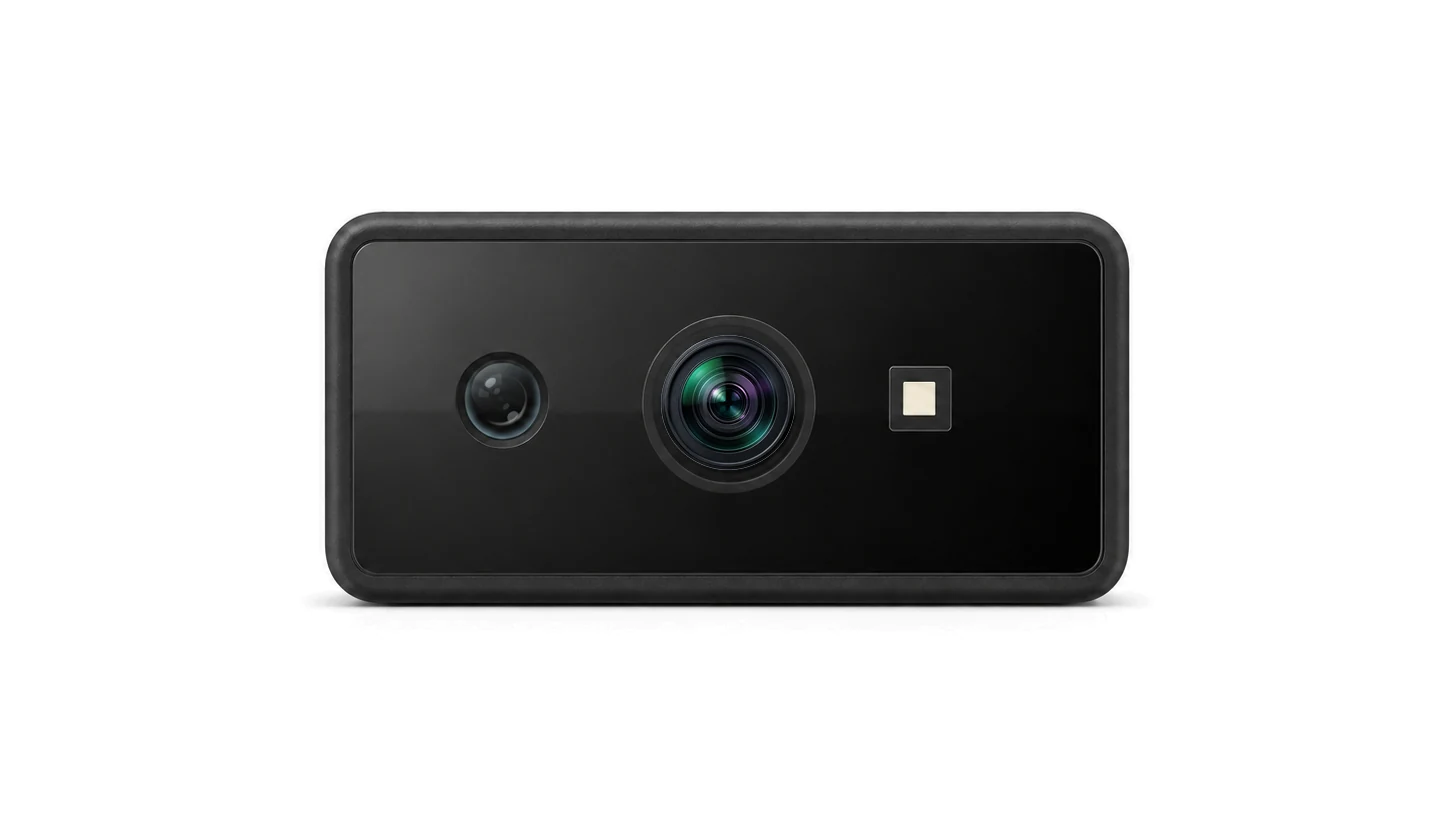
All-in-one
Optics, edge compute, and I/O in one sealed housing. One mount, one cable, nothing to assemble on the line — for volume deployments where install time dominates.
Key features
ToF · VCSEL 940 nm · 0.2–20 m · ±0.5%
RGB + IR · 5 MP–8K
Detection · segmentation · 6-DoF pose
Runs on the edge SoC, no cloud
10–20 ms on-device
Inside the machine cycle
USB-C · Ethernet · SerDes · HDMI/DP
ROS 2 · REST/SDK API
Applications
Robot makers · System integrators · Enterprises in manufacturing, logistics, and healthcare.
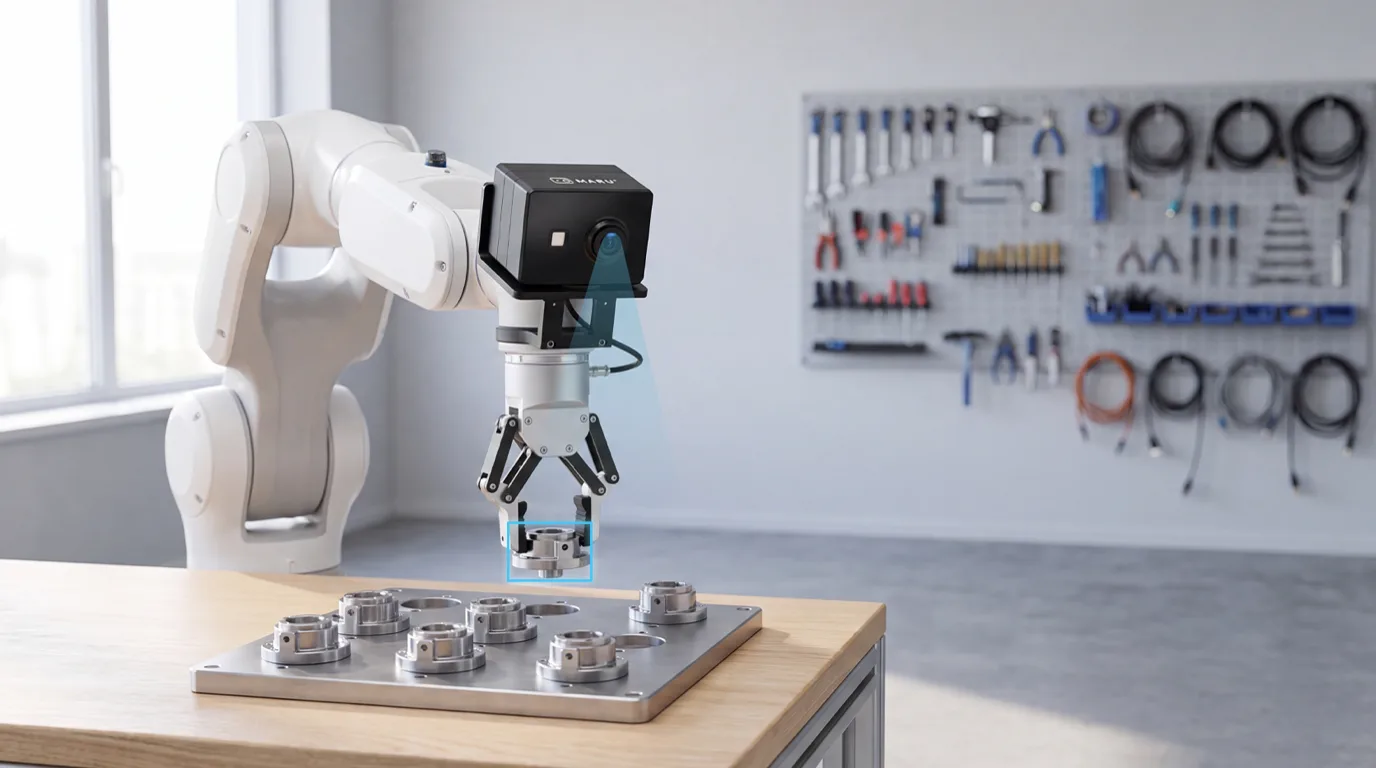 Robotics
Arm guidance, bin picking, mobile robots, and service robots.
Robotics
Arm guidance, bin picking, mobile robots, and service robots.
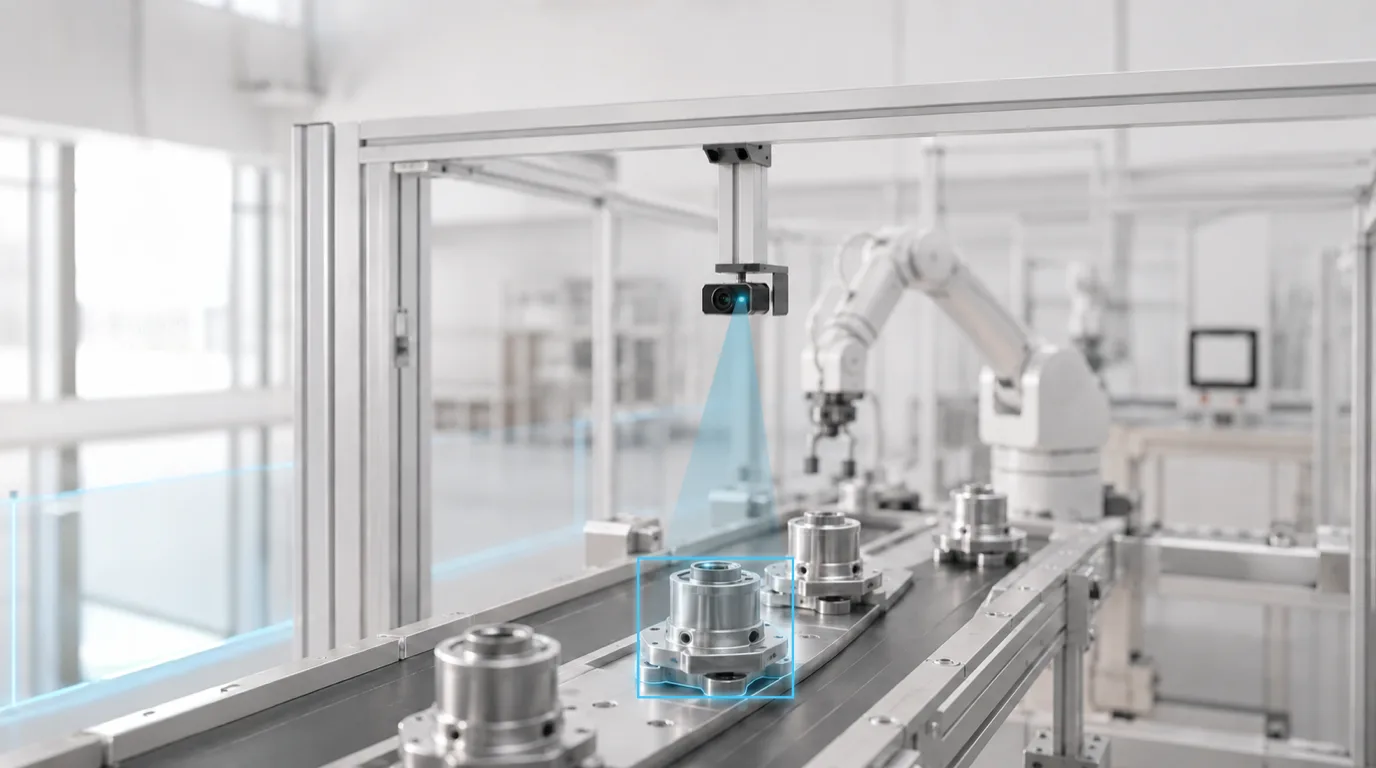 Smart Factory
In-line inspection and cell-level safety.
Smart Factory
In-line inspection and cell-level safety.
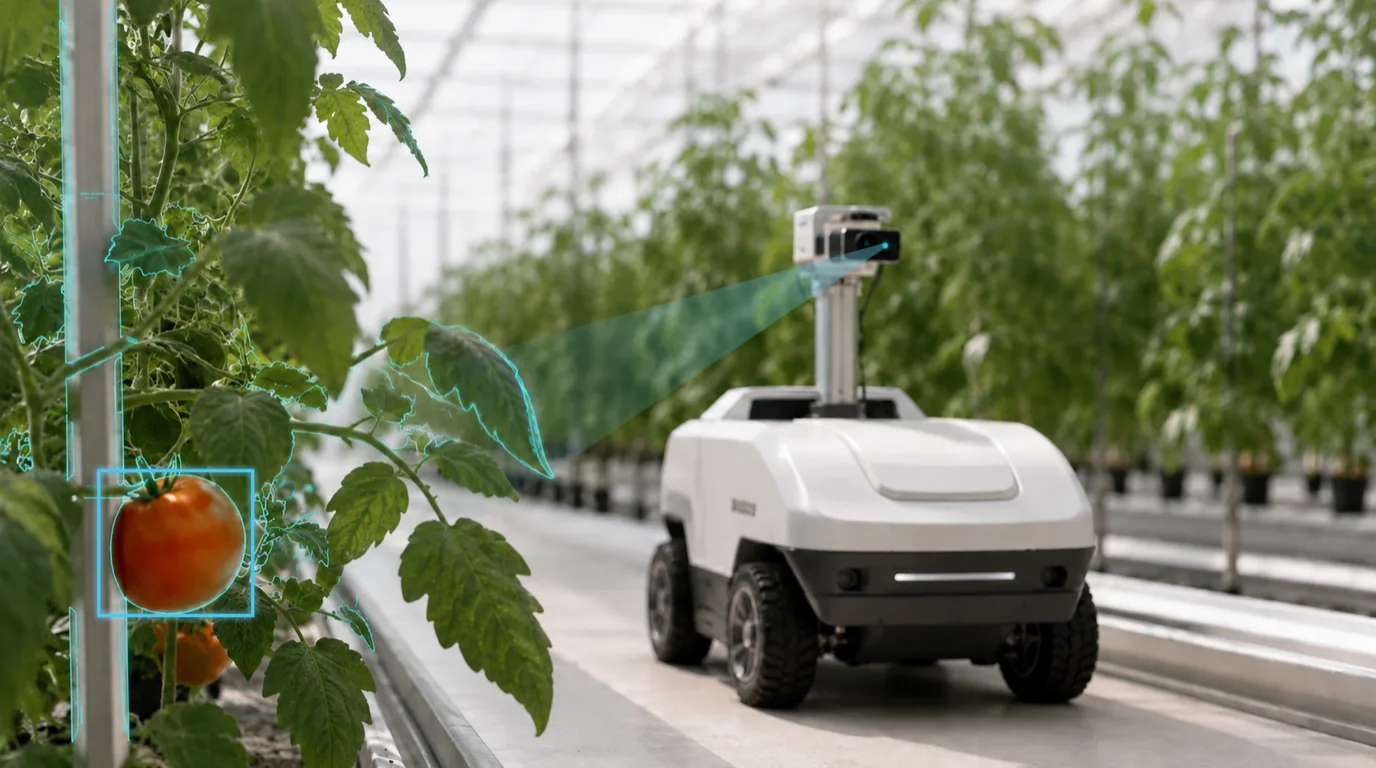 Agriculture
Crop and row perception for field robots.
Agriculture
Crop and row perception for field robots.
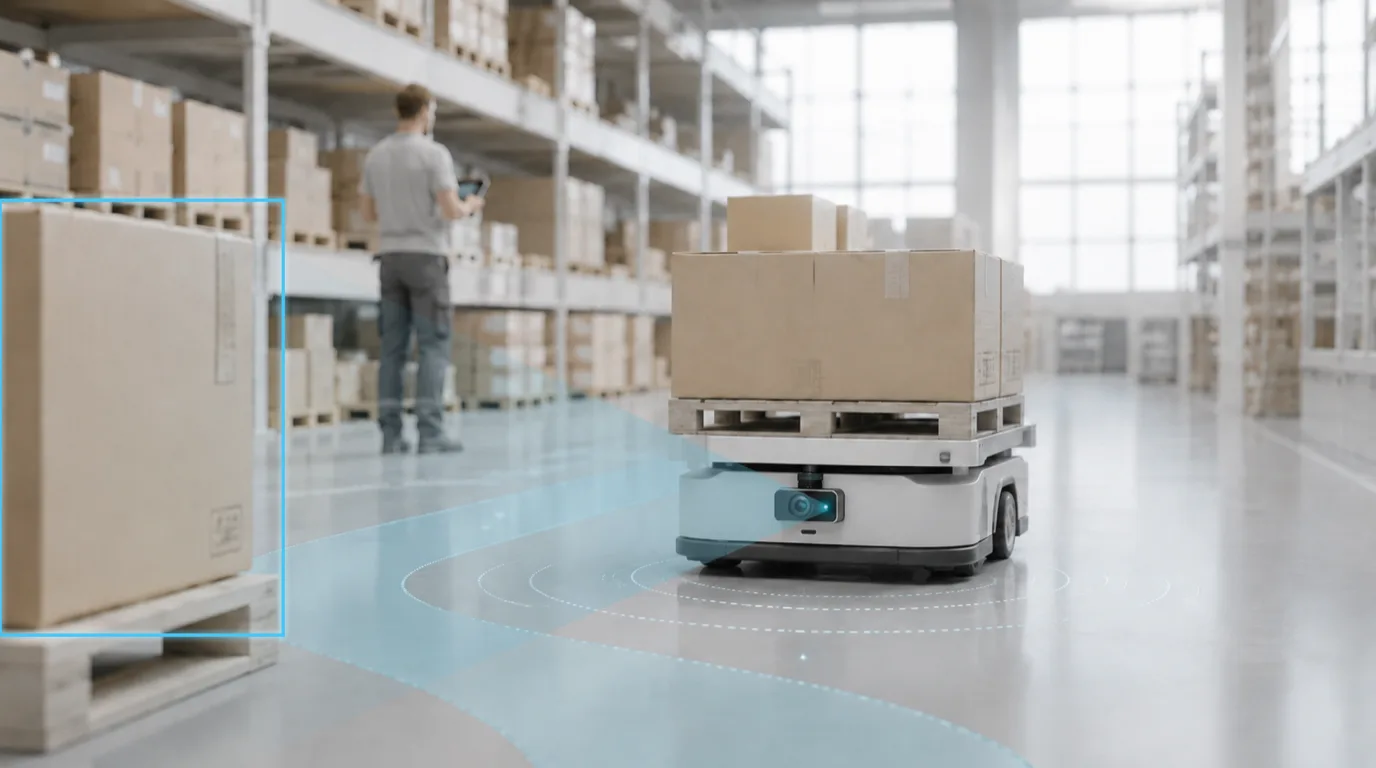 Logistics
Pallet and parcel handling, in-line volume and dimension measurement.
Logistics
Pallet and parcel handling, in-line volume and dimension measurement.
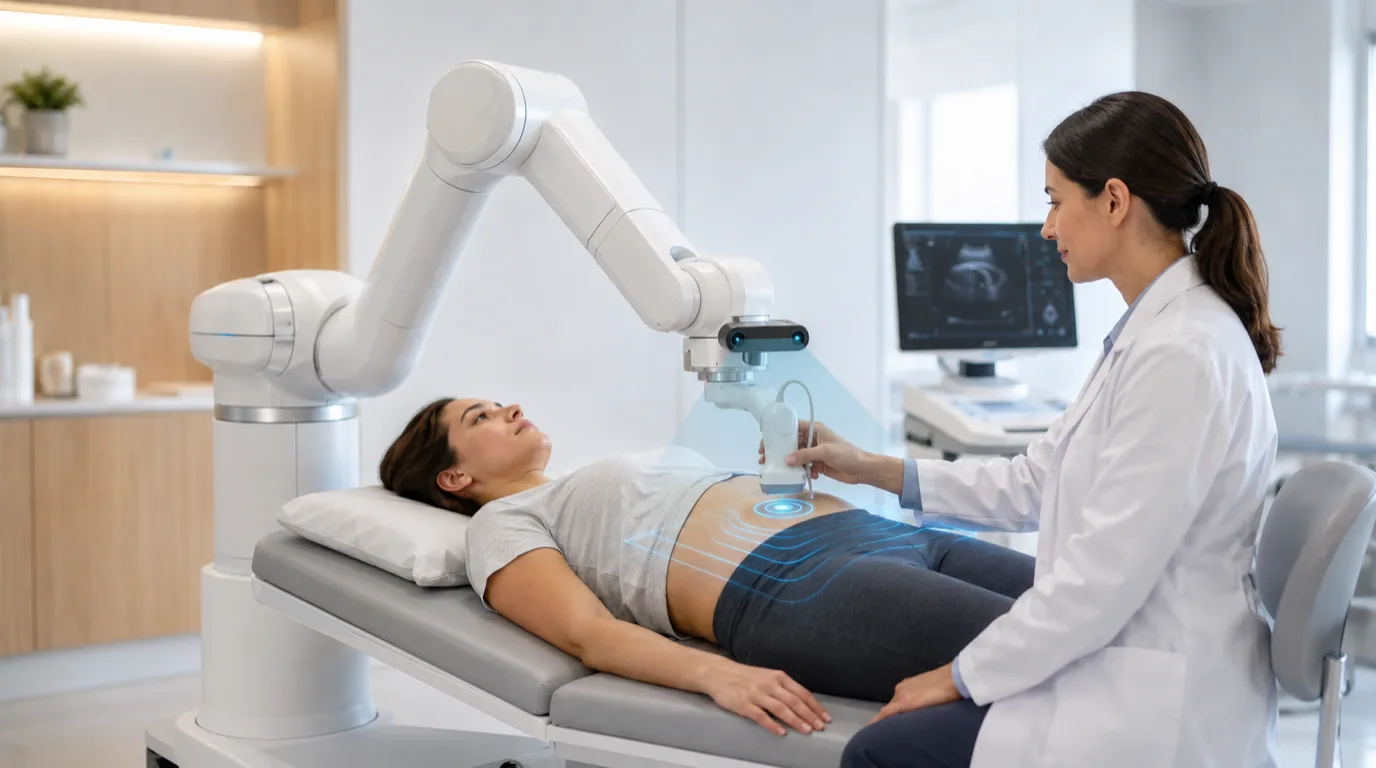 Healthcare
3D vision for medical-device equipment.
Healthcare
3D vision for medical-device equipment.
Traction
The figures below are perception and camera modules — shipped, in the field, today. MARU Gen 2 is built on that production base and reaches the market in March 2027 — evaluation kits of the same stack are available now.
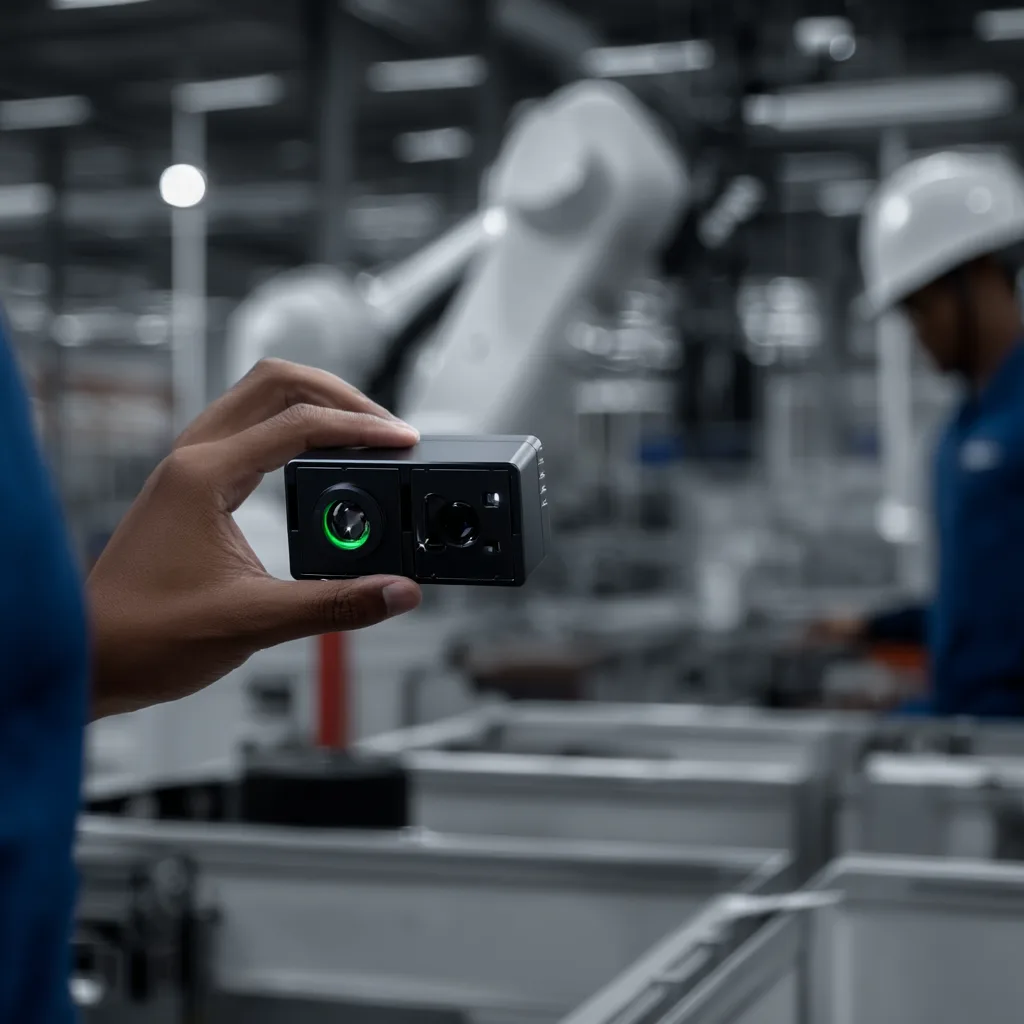
“C-suite from the Namuga · Samsung · Qualcomm ecosystem.”
Ecosystem